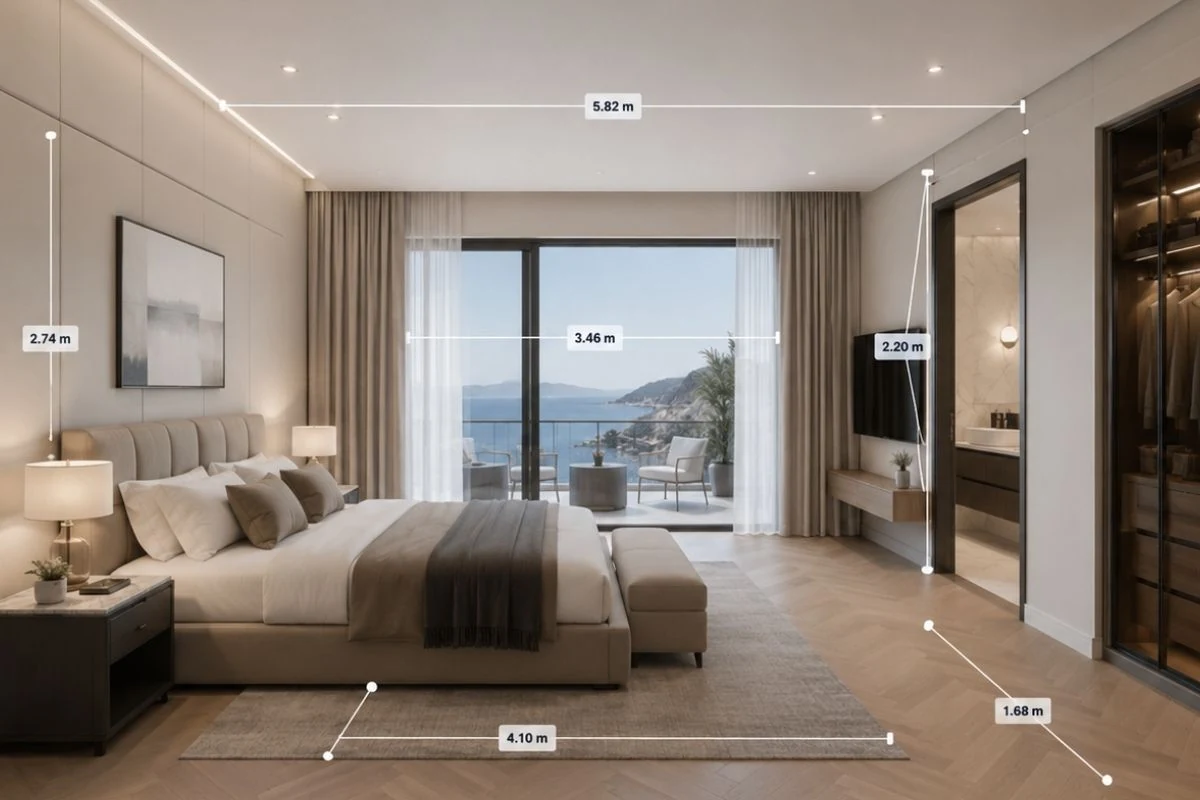
How a digital twin cuts 25-30% from design-build time and cost
Most conversations with Greek developers, mall operators and technical departments end in the same place: the 3D tour looks good, but show me that it pays for itself on a real programme. So here is the strongest evidence Matterport has published on the construction side, plus the part that is missing from it - what these workflows look like in the Greek property market.
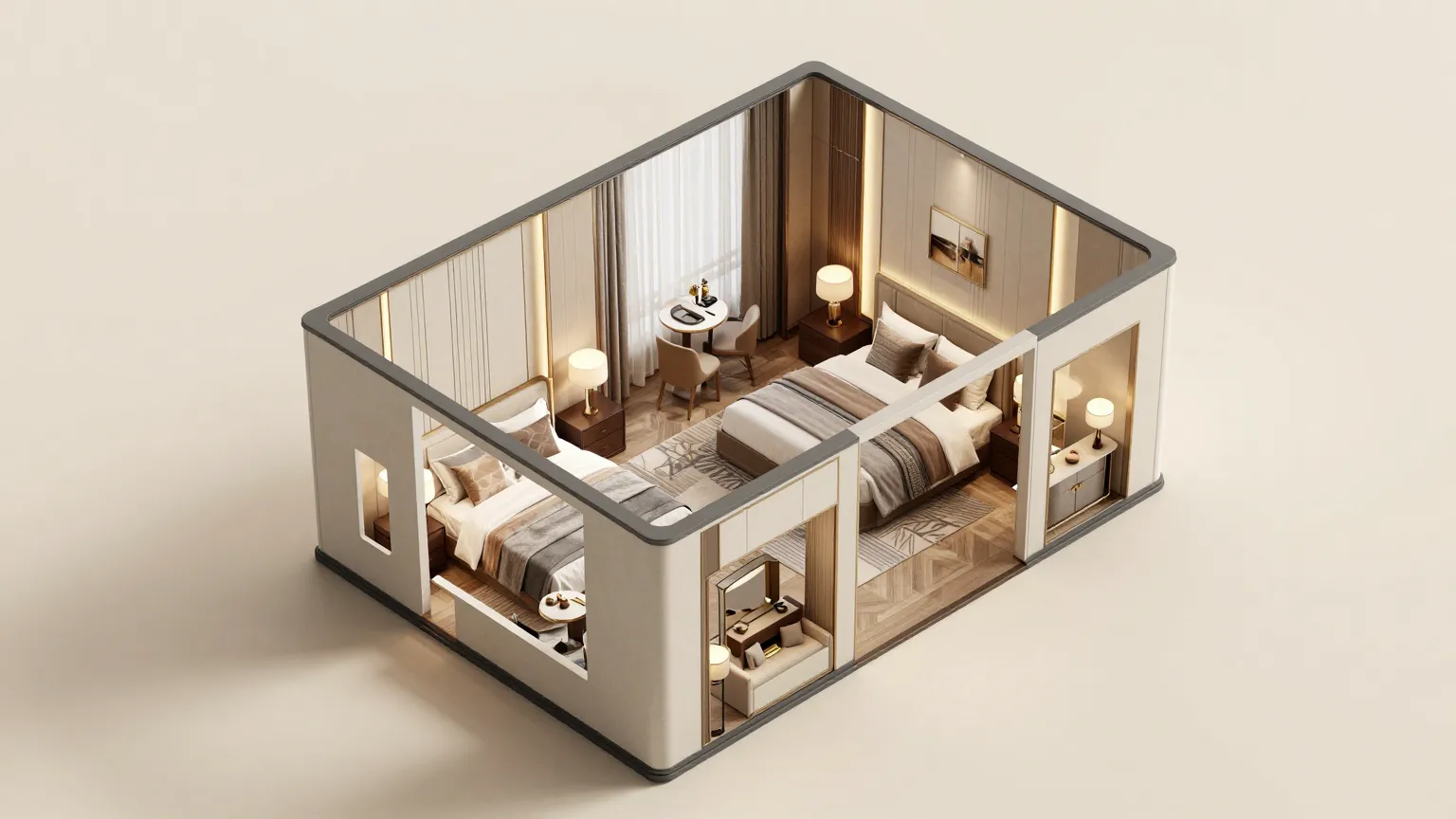
WHO THE CASE STUDY COVERS
A 150-year-old construction group, standardised on digital twins since 2016
A US integrated construction and real estate development group, more than 45 offices worldwide, with clients spanning international banks, pharmaceutical groups, retail chains and healthcare institutions.
This is not an early-adopter experiment. The group has been standardised on Matterport since 2016, and captures a digital twin at four fixed points in every project.
The case study below is Matterport's, about a client of theirs. It is not our own project. All figures are reproduced with attribution to the source. The Greek-market analysis that follows is ours.
THE PROBLEM
Every review meant somebody getting on a plane
Coordination across dozens of project sites, with design agencies, contractors and vendors spread across geographies. Every design review, every existing-conditions check and every inspection depended on travel.
When travel stopped being possible, the cost of that dependency became impossible to ignore.
WHAT THEY ACTUALLY DID
Four captures per project
The group records a digital twin at four points in every project, so that each stage is documented before it disappears under the next one.
Before work begins
Baseline documentation of existing conditions, dated and measurable.
After demolition
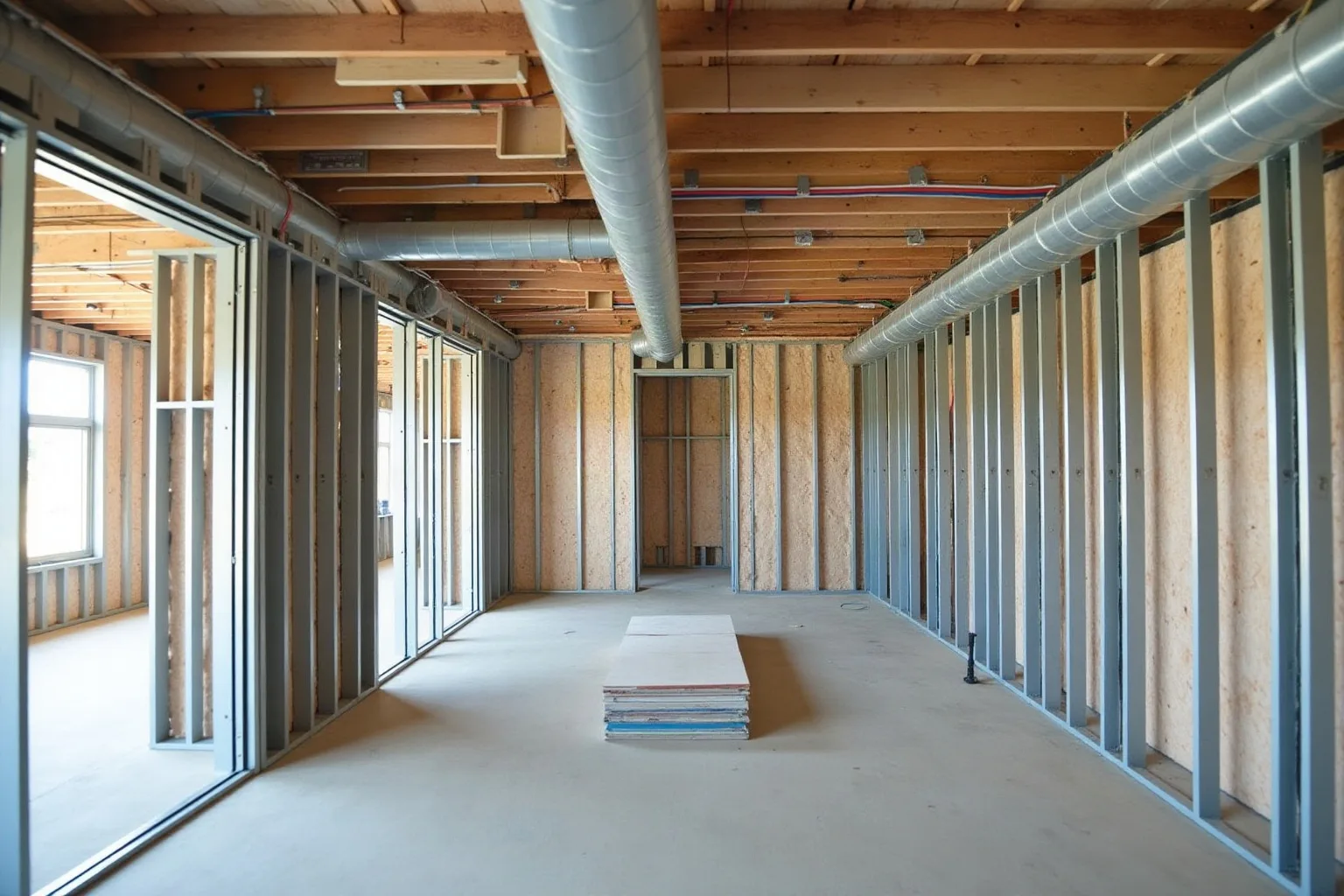
Mechanical, plumbing and structure, fully exposed and recorded.
At rough-in
Everything recorded before the walls close, with real dimensions.
At completion
As-built documentation, handed over with the asset.
ON TOP OF THE 3D SCAN
Four features doing the heavy lifting
The scan is the starting point. What turns it into a working tool is what sits on top of it.
Measurement Mode
Accessibility compliance checks, desk and counter heights, clearances - taken from the digital twin instead of from a second site visit.
Notes
Threaded discussion inside the tour, so a design comment sits pinned to the exact spot it refers to.
MatterPak
Colourised point cloud and 3D mesh, handed straight to the design team.
Mattertags
Building systems linked to maintenance procedures, feeding the operations and maintenance manuals at handover.
They also run the Matterport and Procore integration, so the twin opens inside the project management system the team already lives in. No second platform to adopt.
THE NUMBERS
168 working hours saved in a single four-hour meeting
The team designed and reviewed 21 retail locations in one online session. That is 21 site trips that did not happen. Across 300 sites, the group reports more than 1,000 cumulative hours saved by eliminating travel, and savings of 25-30% in time and cost across design-build phases.
Matterport helps with accountability through design and build, "saving us roughly 25% to 30% in time and money."
Director of Strategic Projects at the group, in Matterport's published case studyThe group states that the accuracy of the digital twins has proved reliable enough, from start to finish, to make design decisions remotely rather than on site.
OUR OWN READING
What this means for the Greek property market
These numbers come from a US programme with US travel distances, and we are not going to pretend they transfer one to one to Greece. But three of the workflows map almost exactly onto what Greek developers and mall operators are dealing with right now, and one of them is arguably worth more here than it is in the States.
The 21-unit problem in shopping centres
The headline number came from reviewing 21 near-identical retail units in one session. Any operator running several shopping centres in Greece has precisely this pattern: dozens of fit-outs a year, each one a cycle of shell handover, tenant design submission, landlord technical review, snagging and final acceptance. Each step currently requires somebody physically standing in the unit, usually more than once.
Scan the unit once at handover and the tenant's architect, who may be in Milan, London or Dubai, designs against real geometry instead of a decade-old CAD drawing that no longer reflects the shell. The technical department reviews the submission against a digital twin rather than a site visit. Disputes about handover condition stop being disputes, because there is a dated, measurable record.
Selling to buyers who will never see the unit first
This is not in the original case study at all, and it is where Greece diverges from the US. A significant share of new premium residential stock in Attica and on the islands is sold to buyers who will not see the unit before committing: Golden Visa buyers, investors and diaspora purchasers.
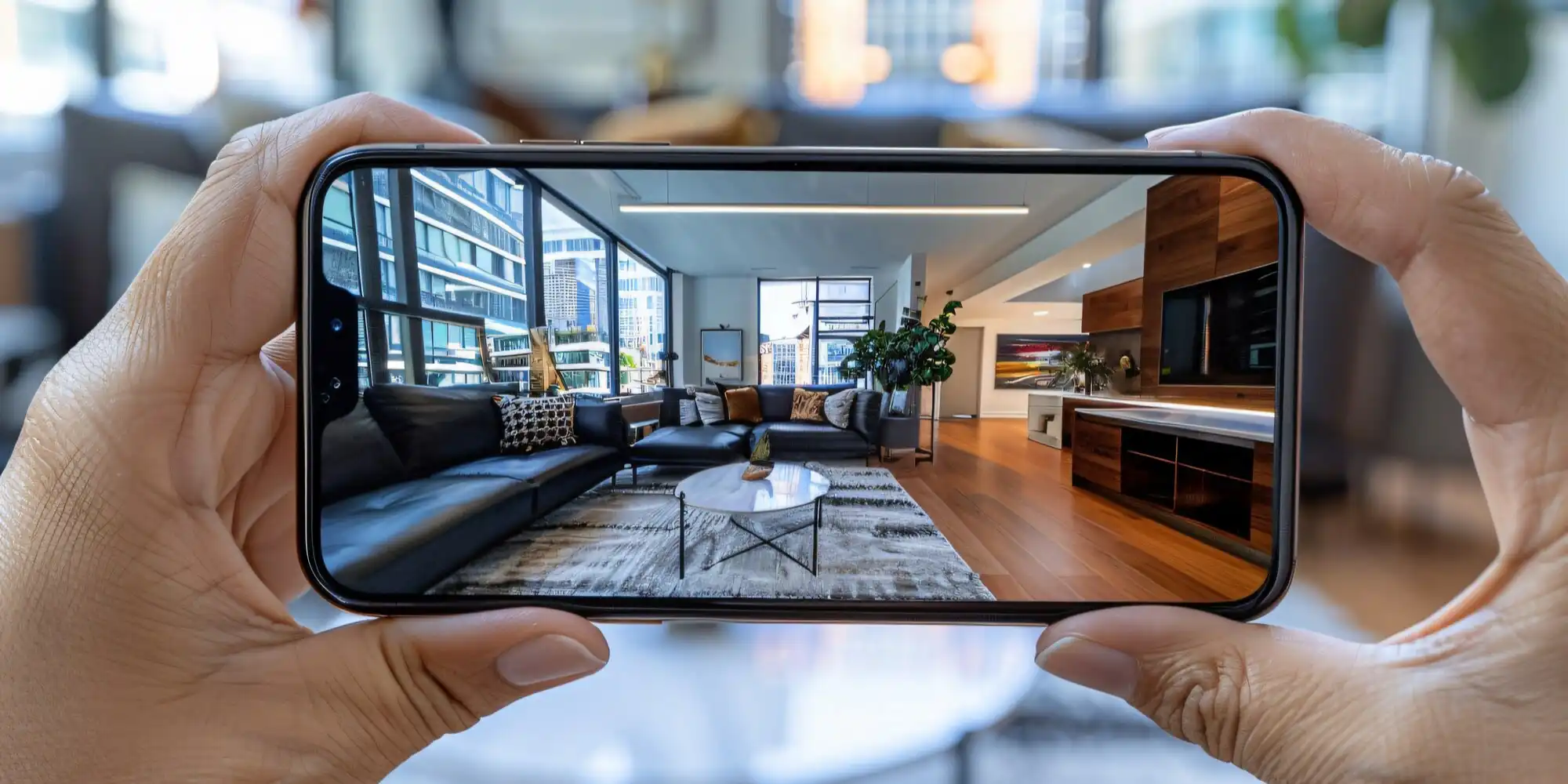
Renders sell the concept. They do not answer the questions a serious buyer actually has about volume, sightlines, ceiling height and how the spaces connect. A 360 virtual tour of the show apartment does, at 3am, from Tel Aviv or Shanghai, without an appointment, on any device. It also lets the buyer measure, which renders structurally cannot.
Everything behind the wall
The rough-in scan is the one that pays for itself quietly, years later. Every service run recorded in place, dimensionally, before it disappears behind plasterboard.
When something needs opening up in year four, and something always does, the question of where exactly that run sits is answered from a desk in ninety seconds instead of by exploratory demolition. For an operator holding assets long term rather than building and selling on, the digital twin stops being a construction tool that gets archived at handover and becomes the asset's facility management record.
Accessibility and measurement you can prove
In the case study, Measurement Mode is used for ADA compliance checks. Greek accessibility requirements differ in detail, but the mechanic is identical: verifying clearances, heights and circulation from a dimensionally accurate digital twin rather than a repeat site visit with a tape measure.
The part that matters in a dispute is being able to prove the measurement afterwards, from a dated record.
THE HONEST VERSION
Where the arithmetic works, and where it does not
We would rather be straight about this than oversell it. The 25-30% figure belongs to one specific programme with its own travel geography. Your number will be different.
What transfers reliably is the mechanism: every decision made from a digital twin is a site visit that did not need to happen, and every dated capture is a dispute that does not need to be argued.
- Repeated trips by the technical team to the same sites: the arithmetic works out quickly
- Reviews stalling while somebody travels: the arithmetic works out quickly
- A single-site project with the team permanently on site: much less quickly
We will tell you which one you have before you spend anything. For the wider context of how this technology has developed here, see our overview of Matterport in the Greek market, or the explainer on what a Matterport virtual tour actually is.
MATTERPORT STRATEGIC SERVICE PARTNER, GREECE
We will scan one space, and you decide from the result
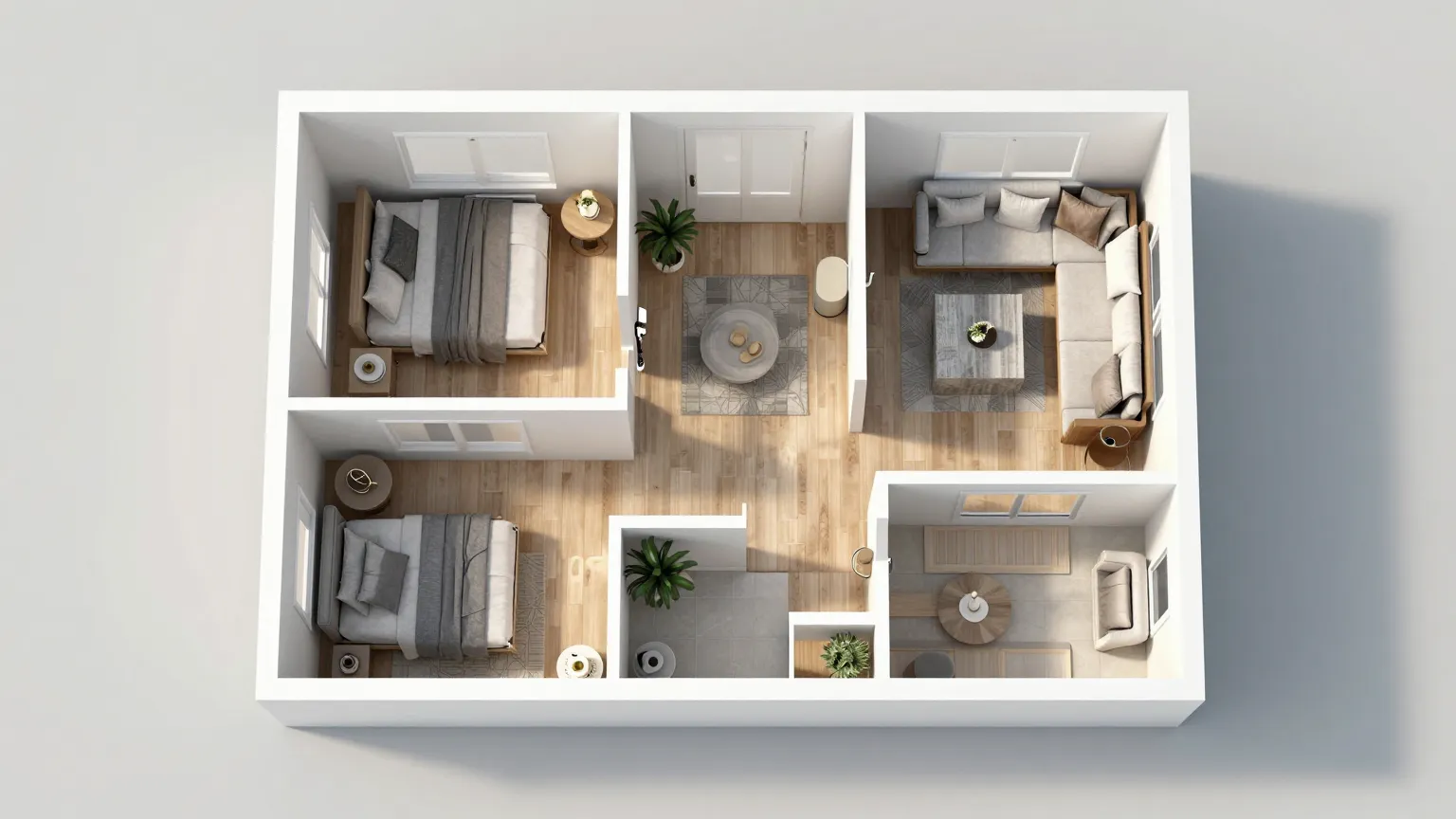
We produce 3D virtual tours and digital twins for hotels, real estate, shopping centres, logistics, yachts and events. If you are running a multi-site programme and want to know whether the arithmetic works for it, you should decide from a real capture rather than from a deck.
Featured by Matterport on its official blog, recognised at the Tourism Awards, and registered with Elevate Greece.
Request a free 3D scan of one spaceSources
- Matterport, Gilbane accelerates design-build programs with Matterport digital twins. https://matterport.com/industries/case-studies/gilbane-accelerates-design-build-programs-matterport-digital-twins-achieve
The case study is published by Matterport and describes the work of a client of theirs, not our own project. All figures and quotations belong to their respective owners and are reproduced here with attribution. The Greek-market analysis in this article is our own.