
3D Virtual Tour vs
360 Virtual Tour
What’s the Difference?
The term 3D virtual tour is very specific. A 360° tour may look similar at first glance - but it is a different technology, a different production process and, above all, a different result. Here is how to tell them apart.
Why The Confusion
Two names that sound alike.
Two very different products.
In the market, "3D virtual tour" and "360 virtual tour" are often used as if they were the same thing. They are not.
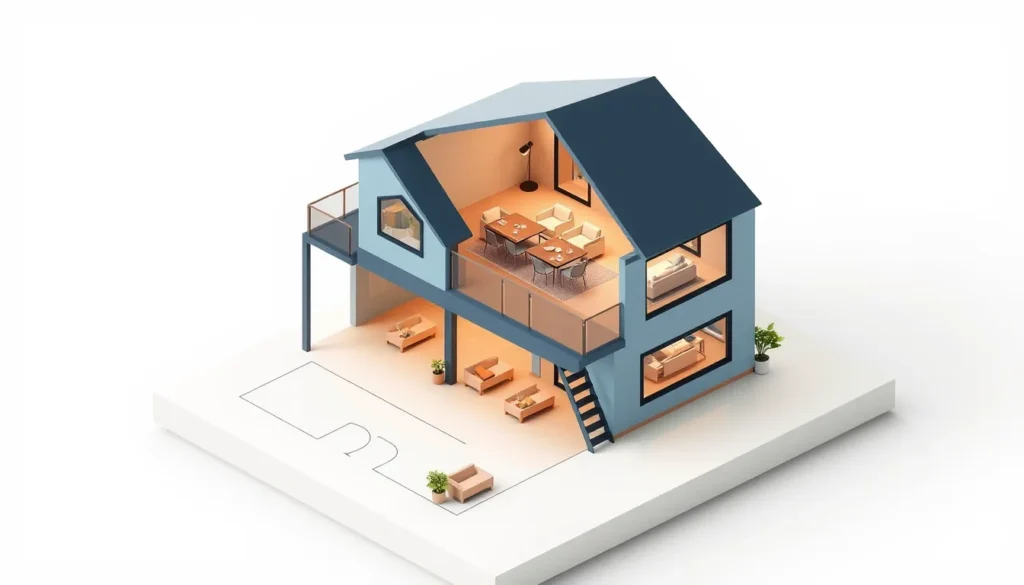
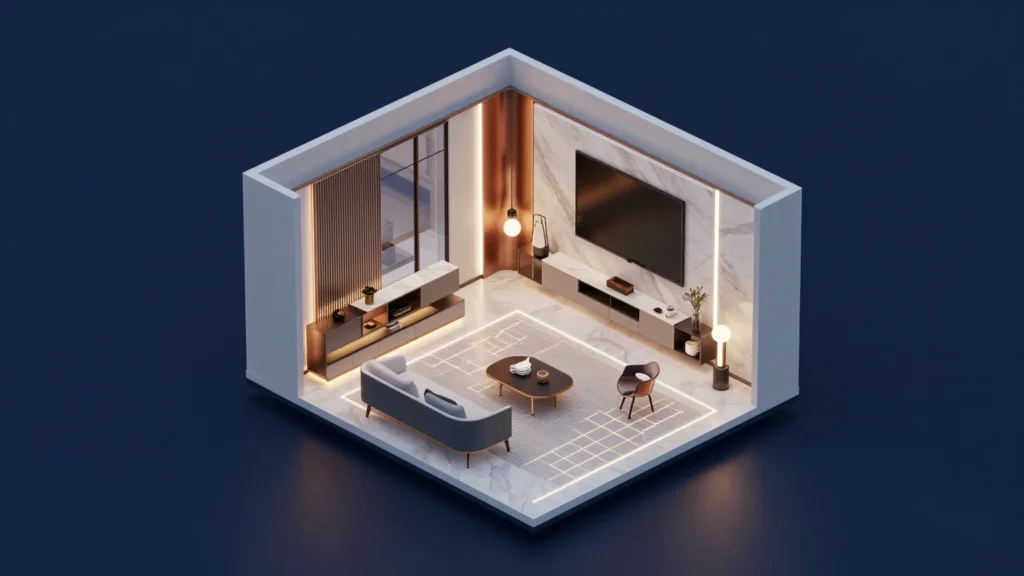
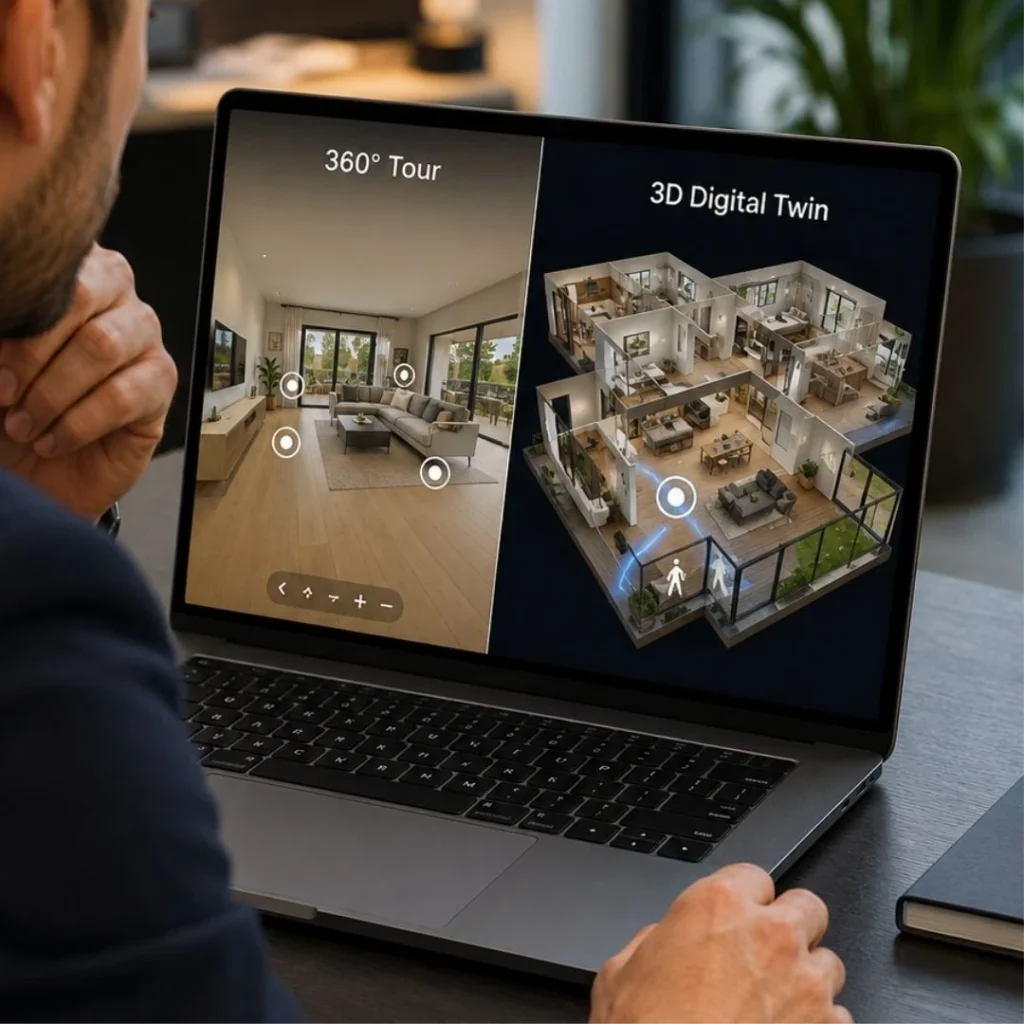
A 360° tour presents individual photographs - separate frames taken from fixed points. A true 3D virtual tour creates a single, connected and scale-accurate digital model of the space, allowing free navigation and a real understanding of the layout, dimensions and proportions.
In practice, the two differ in:
- The capture technology used on site
- The production process behind the tour
- The way a visitor navigates the space
- The final result - and what it can prove
If you want the full picture of what true 3D looks like, see our guide to what a Matterport virtual tour is.
Difference 1
Simple navigation or
in-depth exploration?
The first difference is the one every visitor feels within seconds: how you move through the space.
- Jumping from image to image
- Limited sense of space and scale
- Each panorama is a separate frame
- Feels like a slideshow of the space
- Natural, continuous navigation inside the space
- Full understanding of the layout and proportions
- Every point connects to the whole model
- Feels like actually walking through it
A 360° tour presents viewpoints. True 3D captures and connects the entire space.
Difference 2
Flat image or true
three-dimensional capture?
The second difference sits underneath the pixels: what the technology actually records about the space.
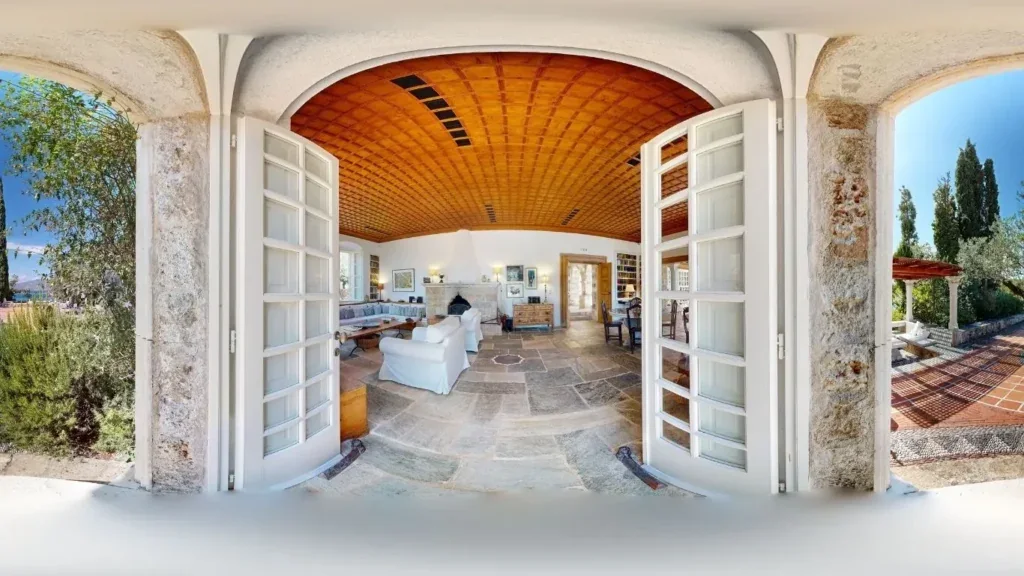
A 360° tour is built from flat panoramic images with no real depth, shown as a sequence of separate viewpoints. It can look impressive - but there is no model behind it, only pictures.
A true 3D virtual tour records real height, width and depth, and turns them into a single, accurate, scale-true digital model of the space.
- Real height, width and depth - not simulated
- A single, accurate, true-to-scale digital model
- Geometry and structure, not just imagery
A 360° tour shows the space. True 3D captures its real dimensions and structure.
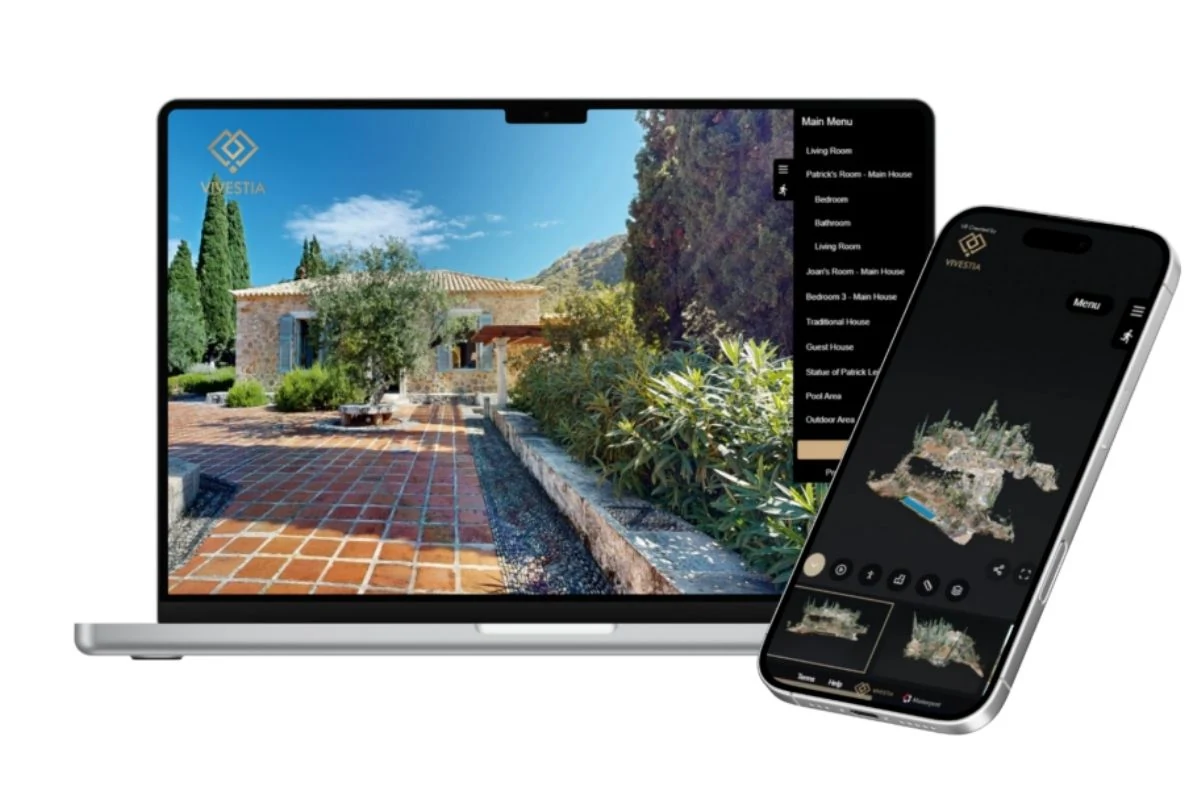
The Practical Difference
Data, not just images
Because a true 3D tour is built on a real model of the space, it can do things flat panoramas simply cannot:
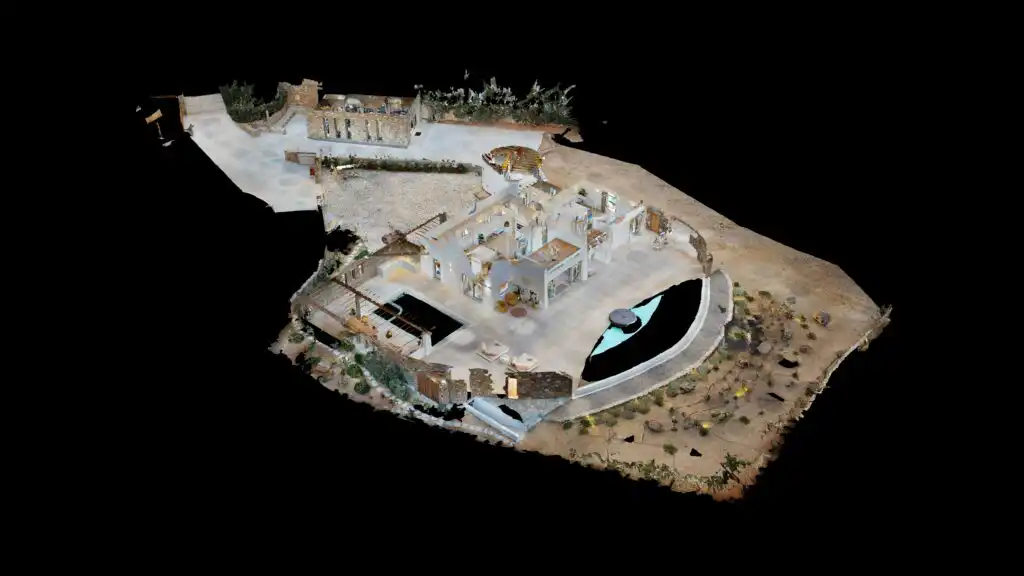
- A dollhouse view of the whole property, showing how spaces connect
- A schematic floor plan generated from the model
- Measurements of rooms, walls and openings inside the tour
This is the easiest way to check what you are being offered: if there is no dollhouse view, no floor plan and nothing can be measured, there is no 3D model behind the tour.
The Choice
Choose a true
3D virtual tour
Seeing a space is one thing. Truly exploring it is another. Here is what real 3D gives your visitors.
Beware Of Imitations
4 quick checks before
you buy a "3D tour"
Some providers sell 360° photo tours under the "3D" label. These four questions reveal the difference in under a minute.
Where It Matters
Where the difference
pays off
Wherever a visitor makes a decision before seeing the space in person, true 3D earns its keep. Explore the sector that fits you.
FAQ
Frequently asked questions
The questions hoteliers and real estate professionals ask us most about 3D vs 360 virtual tours.
Sources
- Matterport, Best 360-Degree Cameras: A Workflow-First Guide (2026). https://matterport.com/blog/best-360-cameras
- Matterport, How to Navigate in Showcase. https://support.matterport.com/s/article/Seamless-Navigation-in-Showcase?language=en_US
- Google for Developers, Street View Publish API. https://developers.google.com/streetview/publish