
360 Virtual Tour
Explained: What It Is and How It Evolved
A clear guide to 360 panoramic tours, how the technology works, where it falls short, and why 3D virtual tours have become the modern evolution that today's businesses choose.
Understanding the Technology
What is a 360
Virtual Tour?
Panoramic Photography Stitched Into an Immersive Sphere
A 360 virtual tour is a digital experience built from panoramic photographs, captured with a specialised 360-degree camera and stitched together into a spherical image.
From a single fixed point in space, the viewer can rotate the camera to look in every direction - up, down, left, right - as if standing exactly where the camera was placed when the photo was taken.
Multiple 360 panoramas can be connected with clickable hotspots to simulate walking from one room to another, but the experience always remains a series of static viewpoints rather than a continuous, freely-explorable space.
This is the foundation technology that introduced immersive visuals to the web - and the foundation that 3D virtual tours later evolved from.
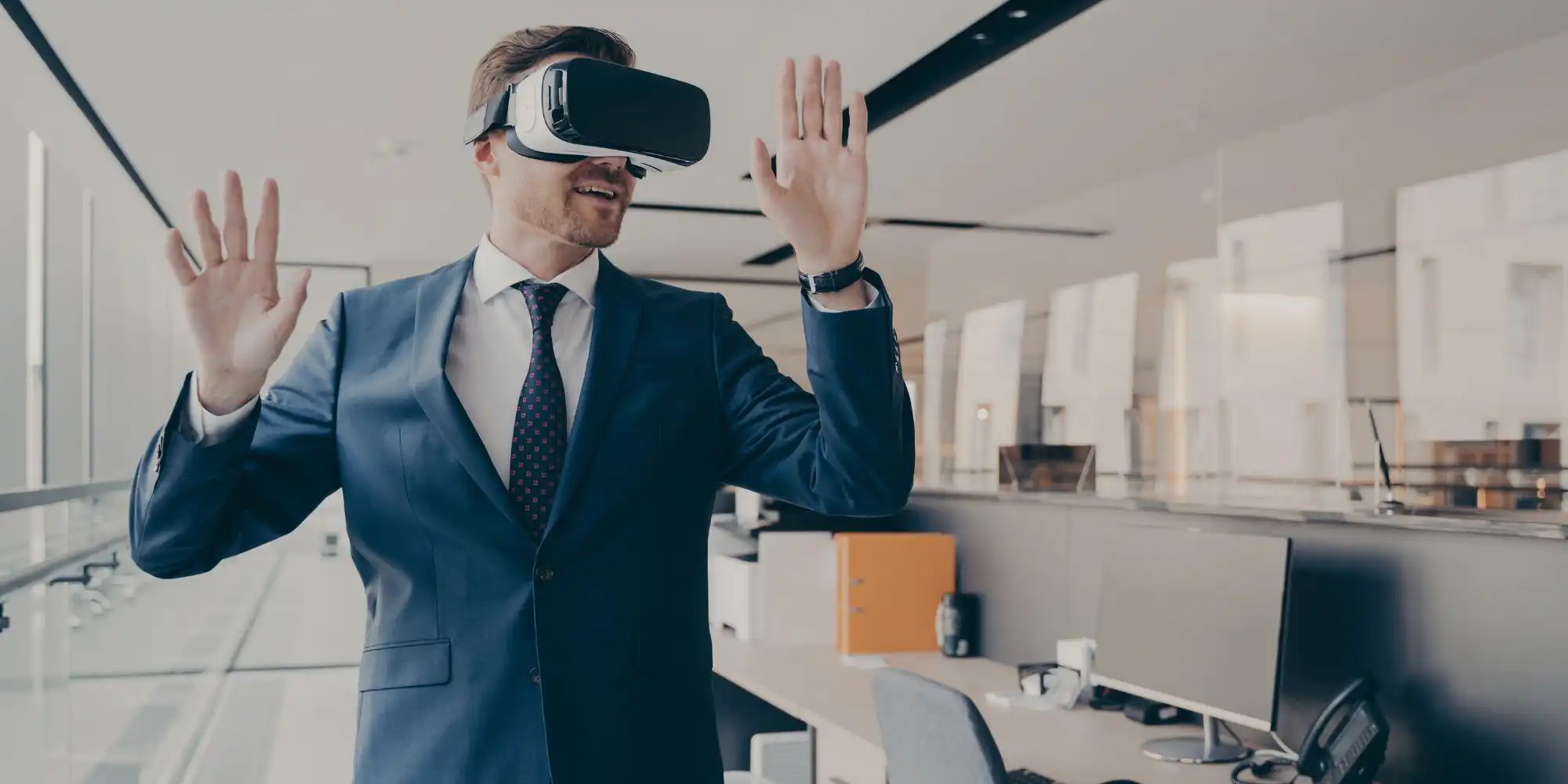
What 360 Tours Offer
Core Capabilities of
360 Virtual Tours
The defining features of panoramic 360 tour technology - what it does well, and what made it the standard for over a decade.
The Key Distinction
360 Virtual Tour vs
3D Virtual Tour
These two terms are often used interchangeably, but they describe fundamentally different technologies. Here is the difference at a glance.
- Built from stitched panoramic photographs
- Viewer stays at fixed capture points
- No real depth or spatial measurement data
- Movement happens by jumping between panoramas
- No dollhouse view or floor plan output
- Lower production cost, faster turnaround
- Best suited for simple visual previews
- Built from real spatial data captured with 3D scanners
- Viewer walks freely through a true 3D model of the space
- Includes accurate measurements and depth information
- Continuous navigation, not jump-cuts between points
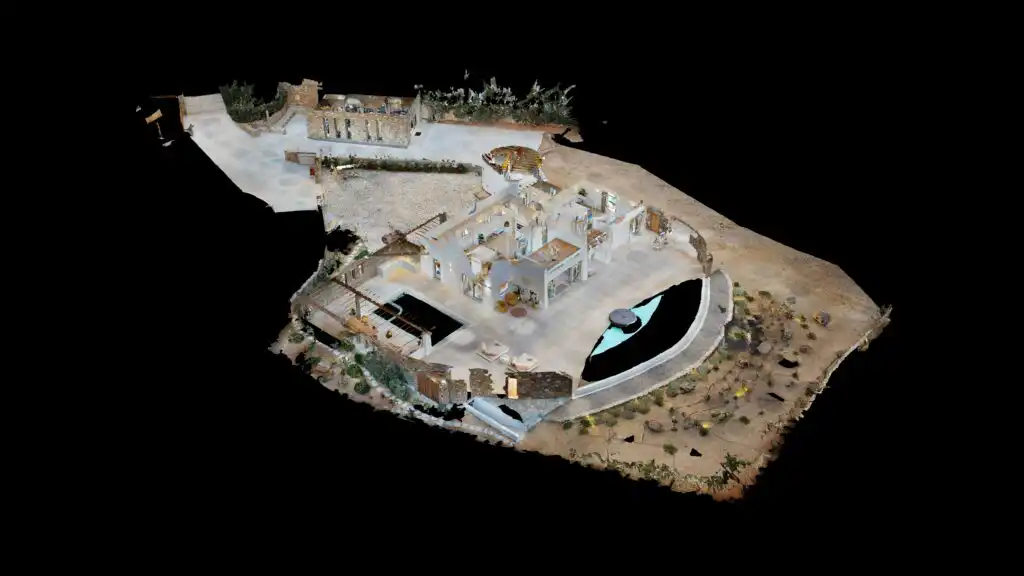
- Generates dollhouse view, floor plans, and schematic views
- Higher production value with professional-grade output
- The current standard for hospitality, real estate, yachting
At Vivestia VR Productions, we specialise exclusively in 3D virtual tours - the modern, spatial evolution of 360 technology. Our work is built on Matterport-class capture and produces the depth, dimension, and exploration that flat 360 photography cannot deliver.
See Our 3D Virtual Tour CasesWhere Immersive Tours Apply
Industries That Use
Virtual Tour Technology
From hospitality to education, virtual tours have reshaped how entire industries present their spaces - and today, most have moved from 360 panoramic to fully spatial 3D tours.
Why 3D Took Over
The Limits of
360 Photography
360 virtual tours brought immersive imagery to the web, but they leave several practical gaps that modern businesses can no longer afford to overlook.
Why Immersive Tours Matter
Business Benefits of
Virtual Tour Technology
Both 360 and 3D virtual tours share these strategic advantages - though 3D delivers each one with significantly greater depth and impact.
The Production Process
How a 360 Virtual
Tour is Built
The workflow behind traditional 360 panoramic tours - useful context for understanding why 3D virtual tour production is a different process altogether.
Note: 3D virtual tour production uses entirely different equipment - 3D spatial scanners such as Matterport Pro cameras - and captures geometric data rather than flat panoramic photographs. The output, workflow, and final result are not comparable to 360 stitching.
The Evolution
From 360 Photography
to 3D Virtual Tours
360 virtual tours opened the door to immersive online experiences. They were the first step - a leap beyond the flat photograph - and they remain useful for simple visual previews.
But over the past several years, the standard has shifted. 3D virtual tour technology, pioneered by platforms like Matterport, replaced flat panoramic capture with true spatial scanning. The result is a navigable model of the actual space, complete with depth, accurate measurements, floor plans, and a dollhouse-style overview.
For industries where presentation quality drives decisions - hospitality, real estate, yachting, premium retail - 3D virtual tours have become the expected standard, and 360 photography has moved into the role of legacy technology.
Common Questions
360 Virtual Tour
FAQ
Quick answers to the questions people most often ask when they confuse 360 photography with 3D virtual tour technology.
Is a 360 virtual tour the same as a 3D virtual tour?
Can you walk through a 360 tour like a 3D tour?
Does a 360 virtual tour include floor plans or measurements?
Is 360 still used today?
Does Vivestia produce 360 photography tours?
Why is 3D virtual tour more expensive than 360?
Ready for the Next Step
Move Beyond 360
Into the World of 3D
360 photography was the foundation. 3D virtual tours are the present and future of immersive spatial storytelling - the standard now expected by hospitality, real estate, yachting, and premium retail brands.
At Vivestia VR Productions, we specialise exclusively in 3D virtual tour creation. If you are evaluating an immersive tour for your business, let us show you what spatial technology delivers that flat 360 photography cannot.
Sources
- Google for Developers, Street View Publish API. https://developers.google.com/streetview/publish
- Matterport, Best 360-Degree Cameras: A Workflow-First Guide (2026). https://matterport.com/blog/best-360-cameras
- Matterport, Unveiling the Perfect Lens: Best Matterport-Compatible Cameras in 2026. https://matterport.com/blog/unveiling-the-perfect-lens-cameras-compatible-with-matterports-spatial-data